Tools and Technique
Using an Iron Safely During Simple Repairs
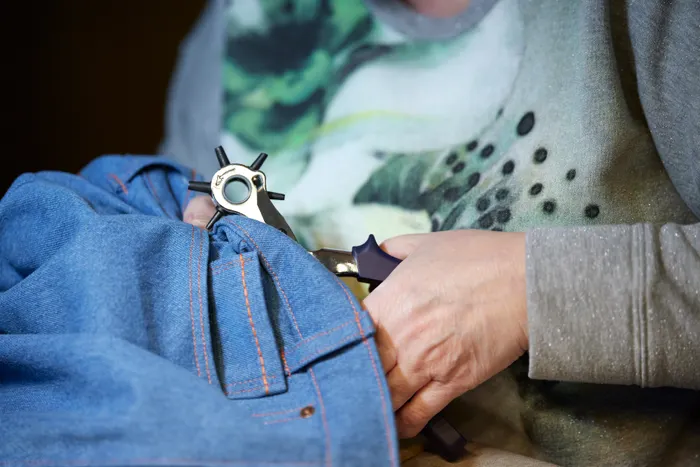
Good progress with using an iron safely during simple repairs comes from making one deliberate decision at a time. Set a realistic stopping point, gather only what supports that result, and leave enough room to observe what happens. The aim is not a perfect performance; it is a repeatable method that produces a useful outcome.
For using an iron safely during simple repairs, keep the first attempt closely tied to the actual conditions. Pressing makes folds and patches easier to control, but heat can damage fabric quickly. Read the garment care label and begin with the lowest suitable temperature. Test a hidden area when fiber content or finish is uncertain. Afterward, compare the result with the goal rather than with an idealized version seen elsewhere. A small mismatch can identify the next useful adjustment without forcing a complete restart.
Preparation for using an iron safely during simple repairs should stay proportionate to the job. Clear a stable working area and gather only materials that have an immediate purpose. During mend well at home, keep finished steps visible so it is easy to see where the process changed. If a choice is difficult to reverse, test it on a small or hidden area before applying it broadly.
A common mistake in the Tools and Technique stage is adding complexity before the basic process works. More supplies can hide a problem instead of solving it. Pause when materials behave unexpectedly or the next step depends on an assumption. For US adults, a short checklist makes using an iron safely during simple repairs easier to resume after an interruption without repeating completed work.
After finishing, keep the parts that made using an iron safely during simple repairs easier to repeat and remove anything that created work without improving the result. Store reusable materials where the next mend well at home session can begin cleanly, note one lesson while it is fresh, and choose a single next action. This creates practical experience without turning a modest interest into a demanding system. When options seem equal, prefer the choice that is easiest to inspect and undo.
When using an iron safely during simple repairs involves several possible actions, sort them by reversibility. Begin with choices that can be inspected, adjusted, or undone without wasting the rest of the work. Complete one section before opening another, especially when limited space makes loose materials difficult to manage. For US adults, this approach reduces the need to remember several decisions at once. It also creates natural checkpoints where the result can be compared with the original goal before more time or supplies are committed.
Limitations are useful information during using an iron safely during simple repairs. A small workspace, short session, or modest supply set may rule out one method while making another easier to repeat. Do not treat that as failure. Adjust the scale, divide the task into independent stages, or choose a finish that fits ordinary use. If a material changes texture, shape, stability, or appearance unexpectedly, pause and reassess rather than forcing the original plan. The safest useful result is usually the one that can be checked clearly and maintained without special conditions.